The One Strap Solution: Making Winter Layers Look Intentional Again

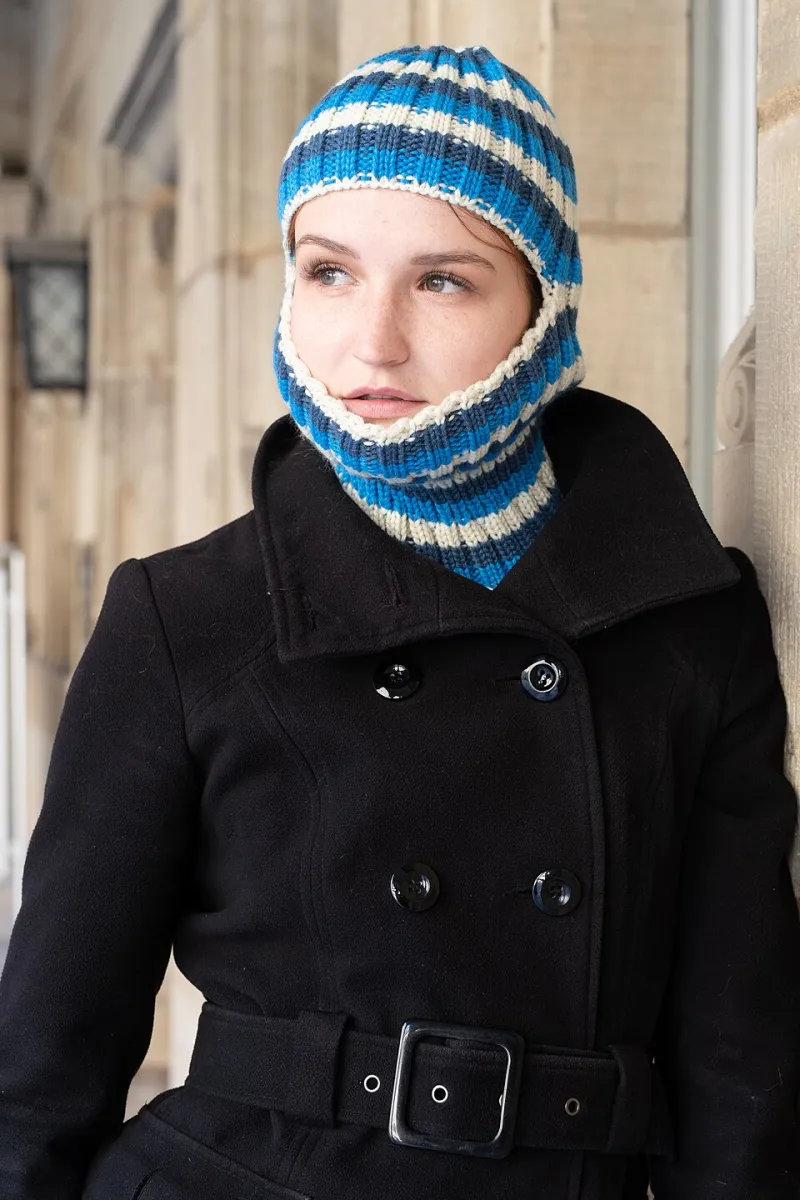
Photo: Jules Verne Times Two, CC BY-SA 4.0, via Wikimedia Commons
By mid-November, most of us are dressing in paragraphs rather than sentences. Jumper, trousers, coat, scarf, boots — all sensible, all warm, and quite often all shape-obscuring. This is where the belt earns its keep. Not as a decorative afterthought, but as the quiet bit of structure that stops a pile of good clothes from looking like a pile of good clothes.
Call it the third piece if you like. The point is simple: one strap, placed properly, can make a familiar winter outfit look considered rather than accidental. And it costs far less than replacing the jumper you’re already bored of.
Start with proportion, not shopping
The fastest way to understand a belt is to stop thinking of it as an accessory and start thinking of it as architecture. It changes where the eye lands. On a long knit dress, it creates a waist. Over a blazer, it tidies the line. On an oversized coat, it turns volume into shape rather than a sleeping bag with sleeves.
That is why a belt so often outperforms another purchase. You are not adding more stuff; you are editing what is already there. A plain fine-gauge roll neck and straight-leg trousers can look perfectly nice. Add a slim brown leather belt and the same outfit reads sharper, more deliberate, more Hstyle than high-street default.
Where the belt actually belongs
Placement is everything, and it is not always the natural waist. For dresses and blazers, the narrowest part of your torso is usually right — roughly where you bend sideways. If you are long in the body, a finger’s width higher can balance things. If you are short-waisted, sit the belt a touch lower so you do not end up looking like a parcel tied too tightly in the middle.
Over oversized coats and longline cardigans, a belt at the hip or just below the waist often works better than a high cinch. It keeps the volume in the coat while giving the outfit a finishing line. And on a blazer, belting over the buttoned front is a quick way to make an old work jacket feel less office, more weekend.
The bulk problem: belting knitwear without the sausage effect
This is where most winter belt attempts go wrong. A stiff, wide belt strapped over a chunky cable knit does nobody any favours. The knit gets crushed, the belt rides up, and you spend the day adjusting. The fix is not to abandon the idea but to choose your knit and your belt more carefully.
Fine-gauge merino, cashmere blends and smooth roll necks belt beautifully. Chunky Aran and thick lambswool are better left loose, or half-tucked at the front with the belt sitting over the trouser waistband instead. If you want to belt a thicker jumper, use a supple leather or suede style no wider than 3cm, and keep the buckle flat. A slide buckle or a simple covered buckle is less fussy than a big metal frame.
And do not pull it tight. A belt over knitwear should sit close but not compress. If you can see the knit bulging above and below the strap, loosen it or choose a thinner belt.
Width, hardware and the office-uniform trap
As a rough guide: 2cm to 2.5cm for dresses, shirts and fine knitwear; 3cm to 4cm for jeans and tailored trousers; 4cm to 5cm for coats and heavier fabrics. Hardware should be muted — brushed brass, dull silver, a leather-covered buckle. Shiny logo buckles have their place, but it is usually evening, not a Tuesday morning bus stop.
Black and brown will always work, but a dark burgundy, forest green or chocolate suede belt can act as the one colour accent in a grey British wardrobe. The office-uniform trap is real, though. Black leather belt, silver buckle, black trousers and a white shirt can read very “meeting room”. Break it up with denim, a chunky boot, a knit dress or an oversized blazer. The belt should look like a choice, not a uniform requirement.
High-street belts that look intentional
You do not need designer hardware for this. M&S does reliable leather belts in the £20–£30 range, often with understated buckles. John Lewis has good everyday options. Arket and Cos are worth a look for clean, supple leather and muted hardware. & Other Stories usually has suede and woven styles that feel a bit less corporate. Uniqlo is good for simple adjustable belts, and Zara often has wider leather styles for coating and dresses.
One practical note: measure over the layers you plan to belt. If you are buying online, check the number of holes and whether the middle hole will sit where you want it. A belt that only fastens on the last hole is a belt that will annoy you by January.
The two-minute check before you leave
Sit down. Raise your arms. Put your coat on and take it off again. The belt should stay where you put it, without digging in or riding up. If it disappears under your coat, consider belting the coat instead. If it feels like a corset, loosen it. If you have to keep checking it in the mirror, it is not the right belt for that outfit.
A belt is not a magic trick, but it is close. It gives winter layers a waist, a finish and a bit of intent. One strap, used properly, can make the clothes you already own feel newly worth wearing.