Wind, Drizzle and Hat Hair: Four Winter Hats Worth Buying

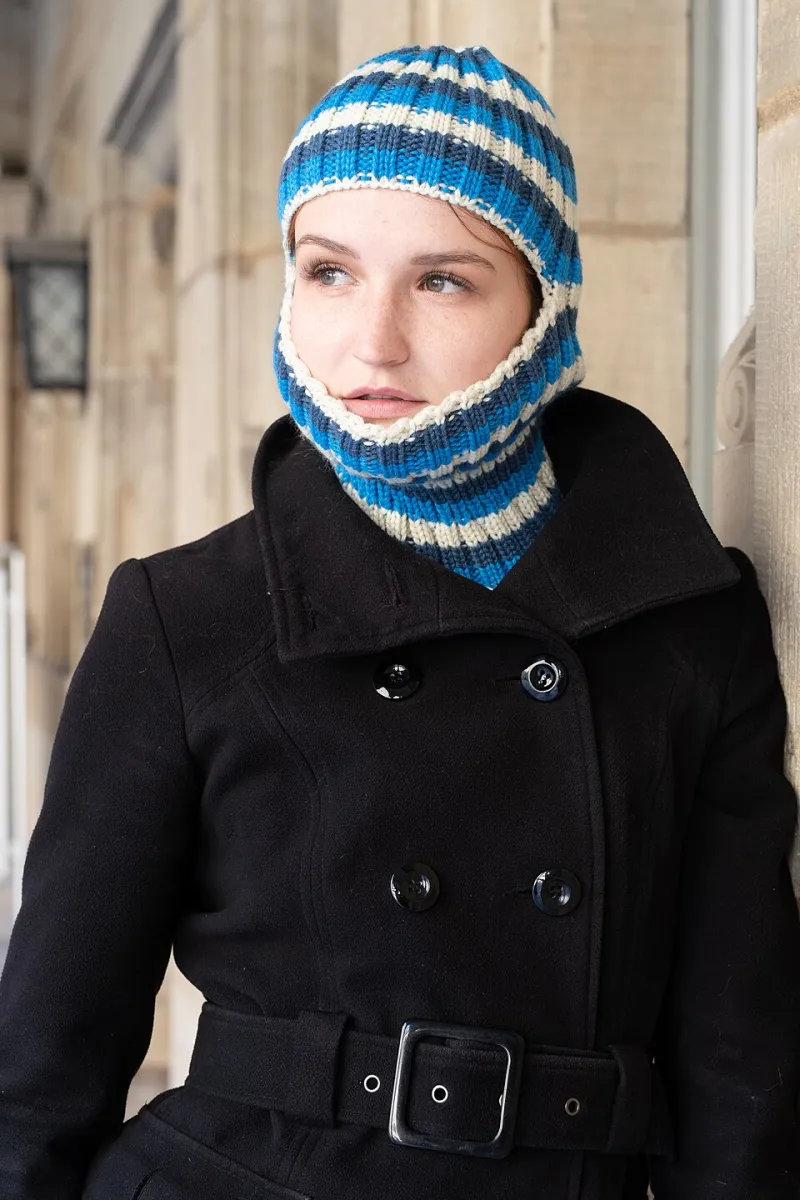
Photo by Photo by Spencer Backman on Unsplash on Unsplash
There is a particular kind of British optimism in buying a hat in October and quietly abandoning it by the first week of December. It hangs on the hook for a fortnight, gets worn once for a walk that turns out to be milder than forecast, then migrates to the back of the wardrobe to keep company with the single glove and the broken umbrella.
The problem is rarely the hat. It is that we buy the one that looked good under shop lighting rather than the one that suits the coat we actually wear five days a week. So this is not a trend piece. It is a short, unsentimental edit of four shapes that survive a real British winter — wind, drizzle, central heating and all — and a few notes on how to wear them without looking like you have borrowed someone else's headwear.
Fit first, shape second
Before you fall for a colour or a cuff, get the fit right. Most high-street hats come in one size, which is unhelpful, because heads are not. The average adult sits somewhere between 56cm and 58cm, but the useful test is simpler than a tape measure: a good winter hat should cover the tops of your ears without resting on your eyebrows, and it should be snug enough that a gust off the seafront will not lift it clean off.
If you can slide two fingers under the brim with room to spare, it is too big, and it will ride up all day. If it leaves a red mark after ten minutes, it is too small, and you will resent it by lunchtime. Bear in mind what goes underneath, too: glasses arms, earbuds, a fringe, a lot of hair. All of those change how a hat sits, and none of them are accounted for on the label.
The beanie does the actual work
If you own one hat, make it this one. A ribbed wool or merino beanie with a proper turn-up cuff is the most useful thing you can put on your head between November and March. It pairs with a puffer, a parka, a duffle and a wool overcoat without argument, and it is the only shape that genuinely keeps your ears warm on a platform at half seven in the morning.
Look for a close, dense knit rather than a loose, slouchy one. Slouch beanies photograph well and fail in wind; they slide, they flatten your hair and they make you look like you have given up halfway through getting dressed. A tighter rib also holds its shape after washing, which is more than can be said for most acrylic versions.
On colour, resist the urge to match your coat exactly. Match the undertone instead: a navy hat with a grey coat, a charcoal hat with a black coat, a camel hat with anything brown or olive. The high street does this well at the moment — Uniqlo's merino beanies, M&S ribbed knits, COS and Arket for something slightly more refined, Weekday for a cheaper option that still looks deliberate. Anything under about £30 will do the job if the fibre content is mostly wool rather than polyester.
The beret is not a costume
The beret has a reputation problem, largely caused by people wearing it perched on the very top of their head like a punctuation mark. Worn properly, it is one of the most flattering hats going, particularly if you have a round face or a lot of hair to contain.
The trick is to sit it forward, just above the brow, and tilt it slightly to one side — not enough to look theatrical, just enough that it doesn't sit flat. A wool felt beret holds that shape; a soft acrylic one will flop and slide within the hour. It works best with tailored coats, a blazer, a trench, anything with a bit of structure at the shoulder. It is less happy with a puffer, where the contrast between smart and sporty starts to feel accidental.
It also has a practical advantage that few people mention: it covers the front of the hairline, which is exactly where hat hair is most visible. A discreet clip sewn inside the rim will keep it on in a breeze without you having to hold your head at an angle.
The bucket hat, for drizzle
The bucket hat has spent a few years being treated as a festival joke, which is a shame, because a proper wool or waxed-cotton version is the best thing in this list for actual rain. The brim keeps drizzle off your glasses and your face, and it doesn't crush the front of your hair the way a beanie does.
Buy structure, not softness. A floppy knitted bucket hat will collapse in wet weather and look defeated by the time you reach the office. A felted wool or waxed cotton version with a bit of body will shrug off a shower and still look intact at your desk. It sits naturally with a trench, a parka or a quilted jacket; it is less convincing with a formal overcoat, where the brim starts to look like you're on your way to a festival rather than a meeting.
The baker boy is the quiet smart option
The baker boy cap — the flat cap's younger, slightly rounder sibling — is the hat for people who find brims fussy and beanies too casual. It has a small peak, which is genuinely useful in rain, and it sits neatly over the ears without pressing on them.
It suits a wool coat, a peacoat and a barn jacket, and it works particularly well if you don't usually get on with hats, because it doesn't require you to commit to a full silhouette. Choose one in a muted wool — grey, navy, brown — and avoid anything with too much volume at the back, which will make the whole thing look like it's slipping off.
The hat hair question
Hat hair is not a reason to go without a hat. It is a reason to plan slightly. Dry shampoo at the roots before you leave is the single most effective trick; it gives hair something to grip and stops the flat, slightly damp look that a warm hat creates. Don't over-style with heat before putting a hat on — the shape will be lost anyway. And don't pull the cuff down hard over your forehead; a looser fit at the front leaves the hairline intact.
When you arrive, take the hat off, run your fingers through the front section rather than the whole head, and give it a minute. A tiny bottle of texturising spray in your bag does more for post-commute hair than any amount of brushing. If you have curly hair, look for a satin lining or a generously sized crown; a tight ribbed cuff will flatten curls in a way that is difficult to recover from before lunch.
What to spend
For most people, the sweet spot is £15 to £35. That buys a wool-blend beanie or a decent felt beret that will last several winters. Above £60 you are paying for merino, cashmere blends or a specific fit, which is worth it only if you already know the shape suits you. Below £10 is fine for a novelty colour you'll wear a handful of times, but don't expect it to survive a wash.
The real rule is duller than any of this: buy two hats, not five. One that handles weather, one that handles anything smarter. Keep both by the door, where you'll actually see them, and the October optimism might just last until March.